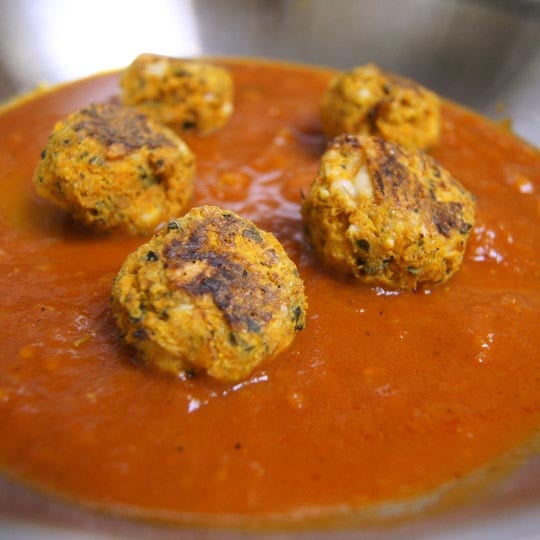
Mastering Meatless Meatballs: Eggplant, Quinoa & Umami for Perfect Texture
The humble meatball, a beloved staple in Italian cuisine, conjures images of comforting pasta dishes and hearty subs. For years, the idea of a truly satisfying plant-based alternative seemed elusive, often resulting in crumbly, mushy, or flavorless imposters. However, thanks to culinary innovation and a deeper understanding of ingredients, mastering the art of the *italian meatless balls* is not only possible but incredibly rewarding. This comprehensive guide will delve into the secrets behind achieving that ideal texture, depth of flavor, and umami richness, transforming your perception of what a plant-based meatball can be.
The Quest for the Perfect Italian Meatless Meatball Texture
One of the biggest hurdles in crafting excellent *italian meatless balls* is achieving the right texture. Many home cooks and even store-bought versions struggle with meatballs that are either too soft and fall apart, or too dense and rubbery. The key lies in a thoughtful combination of binding agents and ingredients that contribute distinct textural components.
Traditionally, breadcrumbs and eggs are used to bind ground meat. In the plant-based world, we need stronger, more sophisticated binders, often requiring a multi-pronged approach. While simple breadcrumbs and even aquafaba (the liquid from canned chickpeas) can offer some help, they often aren't enough on their own to create a cohesive yet tender ball that holds its shape through cooking and saucing.
This is where the magic of specific vegetables and grains comes into play:
*
Eggplant's Silky Secret
Eggplant is an unsung hero in the realm of meatless cooking, particularly for its ability to lend a "silky texture" without overpowering the dish with its own flavor. When properly prepared – sautéed or baked until tender – eggplant breaks down, providing a smooth, rich base that acts as a natural binder. Its inherent moisture content and mild taste make it an excellent substitute for the fat and juiciness typically found in ground meat. To use eggplant effectively, ensure it’s cooked sufficiently to soften and, if very watery, gently pressed to remove excess liquid. This prevents your mixture from becoming too wet and ensures a firmer, more desirable texture in the final *italian meatless balls*.
*
Quinoa: The Unexpected Textural Hero
For a satisfying chew and robust body, red quinoa proves to be an invaluable addition. Unlike finer grains or simple breadcrumbs, cooked quinoa retains a slight bite, mimicking the coarser texture of ground meat. Its protein content also adds to the structural integrity of the meatballs. Beyond quinoa, some recipes introduce vegan protein crumbles. If opting for these, it's crucial to read labels carefully, seeking brands low in oils and sodium to maintain the healthfulness and flavor balance of your dish. The combination of eggplant and quinoa offers a truly transformative textural experience, moving far beyond the mushy disappointment of many earlier attempts. For those exploring other inventive ways to achieve unique textures, don't miss
Detoxinista's Juice Pulp Italian Meatless Balls: Crispy & Tender Recipe, which utilizes a different, yet equally effective, approach for a crispy exterior and tender interior.
Unlocking Umami: The "Meaty" Flavor Profile
Beyond texture, the "meatiness" of traditional meatballs often comes from a deep, savory flavor known as umami. Replicating this in a plant-based context is crucial for a truly satisfying experience. Thankfully, the plant kingdom offers a wealth of umami-rich ingredients.
*
Mushrooms: The Umami Powerhouse
Mushrooms are perhaps the most celebrated plant-based source of umami. Chef John's approach, highlighting "thorough browning," is key. When mushrooms are sautéed until deeply golden, their natural glutamates intensify, creating a profound savoriness that can fool the most discerning palate. Cremini or portobello mushrooms are particularly effective due to their earthy flavor and robust texture. The Maillard reaction achieved through proper browning is what transforms their subtle flavor into a rich, complex umami bomb that forms the perfect foundation for your *italian meatless balls*. To dive deeper into this technique, explore
Chef John's Secret: Achieve Meat-Like Texture with Mushroom Italian Meatless Balls.
*
Bragg's Amino Liquids and Other Umami Boosters
To further enhance the "beefy" or savory depth, ingredients like Braggs Amino Liquids are a perfect addition. Similar to soy sauce but often with a milder flavor profile, these liquids are rich in amino acids, which are fundamental to umami taste. Nutritional yeast, with its cheesy, savory notes, is another fantastic umami enhancer, often used to replicate dairy flavors in vegan dishes. A touch of tomato paste, deeply caramelized during cooking, can also add a concentrated umami sweetness. When building your flavor profile, don't forget the foundational aromatics: garlic, onions, and fresh or dried herbs like oregano, basil, and parsley are indispensable for an authentic Italian taste.
Beyond Texture and Flavor: Practical Tips for Mastering Your Meatless Meatballs
Creating the perfect *italian meatless balls* involves more than just selecting the right ingredients; it's also about technique and execution.
*
Binding Agents and Moisture Control
While eggplant and quinoa contribute significantly to binding, you may still need additional support. Flax eggs (1 tbsp ground flaxseed mixed with 3 tbsp water, allowed to sit for 5 minutes) are an excellent vegan binder. For ingredients with high water content like spinach or zucchini, always squeeze out excess moisture before adding them to your mixture. Too much moisture is a common culprit for mushy meatballs that struggle to hold their shape. Conversely, a mixture that's too dry will be crumbly. Achieving the right balance is paramount.
*
Seasoning for Success
Dried herbs are often preferred over fresh in meatless meatball recipes as they contribute less moisture to the mixture. Think dried oregano, basil, thyme, and a pinch of red pepper flakes for a subtle kick. Smoked paprika can add a hint of smoky depth, while nutritional yeast can further boost that cheesy, umami flavor. Don't be shy with salt and freshly ground black pepper – proper seasoning elevates all the other flavors.
*
Rolling and Baking for Perfection
Consistency in size is key for even cooking. Use a small ice cream scoop or your hands (lightly oiled to prevent sticking) to form meatballs of uniform size, typically yielding 15-30 depending on how large you roll them. Smaller meatballs not only cook more evenly but also allow for more versatility – perfect for freezing or serving as appetizers. Preheat your oven to 375°F (190°C) and bake them until they are crisp on the outside and tender on the inside, much like a delicious veggie-fritter. Avoid overcrowding the baking sheet to ensure proper browning and prevent steaming.
*
Freezing for Convenience
One of the greatest advantages of making *italian meatless balls* is their freezer-friendly nature. Once baked and cooled, arrange them in a single layer on a baking sheet and freeze until solid. Then, transfer them to an airtight freezer-safe bag or container. This allows you to have a quick, healthy meal option ready for a busy weeknight dinner – simply reheat with your favorite marinara sauce.
*
Versatile Serving Suggestions
These expertly crafted *italian meatless balls* are incredibly versatile. They are, of course, delicious tossed in a warm marinara sauce over a bed of pasta or spiralized vegetables. But don't stop there! Serve them as a hearty filling for meatball subs, nestled in crusty bread with melted vegan cheese. They also make a fantastic appetizer when served with a warm dipping sauce, or elevated with a creamy WFPB Italian Alfredo Sauce (No Dairy) for a truly gourmet experience.
In conclusion, the journey to mastering *italian meatless balls* is one of thoughtful ingredient selection and careful technique. By embracing the silky texture of eggplant, the satisfying chew of quinoa, and the profound umami of properly browned mushrooms and amino liquids, you can create a plant-based masterpiece that rivals its traditional counterpart. Experiment with these tips, adjust to your taste, and prepare to impress even the most ardent meatball connoisseurs with your perfect, plant-powered creations.